

Brand growth has no longer become a matter of simple market expansion or basic activities. Instead, it has evolved into a far more complex challenge due to internal struggles and external pressures. As global markets transition into a new period. Challenges of brand growth are increasing day by day, including:
- Technological Disruptions
- Scattered Consumer Attention
- Scaling Without Operational Readiness
Despite many brands believing they are at the epitome of their performance, multiple reports indicate otherwise. One of the key obstacles hindering brand growth is an excessive focus on short-term financial gains rather than long-term goals. In this article, we’ll discuss the biggest obstacles stalling brand expansion that hinder and slow down businesses.
Top Obstacles Hindering Brand Growth
The challenges of brand growth are not purely technical or tactical failures. Rather, they are challenges that inhibit brand expansion and, if properly understood, can be resolved. To dive deeper into brand growth obstacles, it is paramount to understand the implications of several contributing factors, including strategy, operations, technology, and consumer psychology. The most common challenges of brand growth include:
1. Artificial Intelligence Integration

The expansion of artificial intelligence has led many businesses to adopt it within their processes and decision-making. While artificial intelligence is a powerful tool that can accelerate growth, it also introduces ethical and operational concerns. For instance:
Loss Of Brand Authenticity
Brands that rely heavily on artificial intelligence in their branding efforts may be perceived as less authentic and original, negatively affecting brand perception. Human nature values original experiences and brands that stand for a cause or possess a clear edge. On the contrary, excessive reliance on artificial intelligence can create experiences that feel synthetic and non-original. Hence, it is integral for brands to be cautious in their use of AI and ensure it is implemented hand in hand with human expertise and oversight to preserve originality and deliver unique brand experiences.
Data Privacy Concerns
What makes AI powerful for branding is its reliance on consumer data, which enables personalization at scale. Nonetheless, brands using this data must navigate ethical and regulatory risks with extreme caution. Consumers have become increasingly aware of how their data is used, raising significant concerns. As a result, brands perceived as engaging in data breaches or unethical data practices may be viewed as manipulative or untrustworthy, severely impacting brand reputation and growth. Therefore, it is essential for firms to operate AI within a clear ethical framework for data collection and usage—ensuring consent, transparency, and consumer control over personal data.
AI Bias & Hallucinations
Artificial intelligence learns from existing datasets, which can sometimes lead to biases or hallucinations—producing exaggerated or inaccurate outputs. This presents substantial risks for brands relying on AI-driven insights. In some cases, AI data may be outdated or biased, impacting critical brand processes such as customer segmentation. For example, an AI model trained on historical marketing data might associate certain products with specific ethnicities or genders, resulting in stereotypical messaging. To mitigate these risks, brands must closely monitor AI outputs with human oversight and ensure messaging aligns with evolving consumer values and expectations.
Common Pitfalls Businesses Make When Integrating AI
- Poor Data or Lack of Data Foundation
- Using AI Before Identifying the Core Problem
- Overlooking Basics While Chasing Complexity
How Can Businesses Integrate AI Efficiently?
- Ensure Human Oversight & Clear Brand Positioning
- Ensure Data Transparency & Data Security
- Fix Common Errors Before Navigating More Complex Situations
2. Brand Consistency Across Several Touchpoints
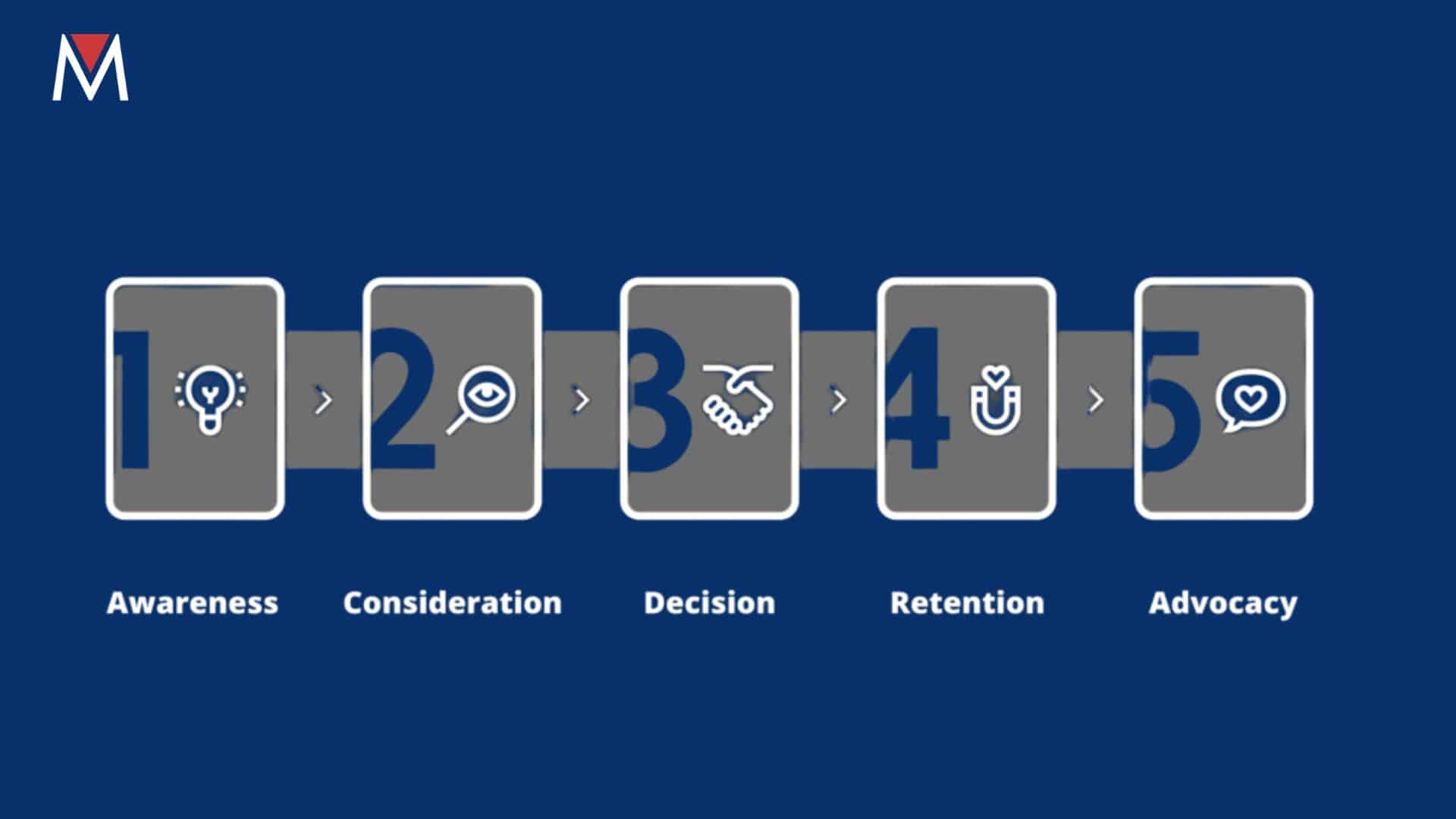
Brand management today has become one of the top brand growth challenges due to the sheer number of touchpoints—often 50 or more—that brands must manage, from social media to customer service and beyond. The core challenge lies in maintaining consistency across messaging. A brand might appear edgy on social media while communicating in an overly serious tone via email, resulting in inconsistent brand perception. Key challenges include:
Multiple Conversation Handling in Real Time
Managing multiple conversations across channels in real time is a major hurdle. Customers expect personalization and rapid responses, which can be overwhelming when handling high inquiry volumes. To overcome this barrier, businesses should leverage chatbots and automation for frequently asked or routine questions, freeing human teams to focus on more complex interactions.
Maintaining Conversational Context Throughout Channels
With conversations scattered across multiple platforms, maintaining context becomes difficult. Customers may feel unheard or misunderstood, leading to frustration. Unifying communication across channels and preserving conversational context is critical to delivering a superior customer experience and improving satisfaction.
Maintaining Consistent Messaging & Branding
Inconsistent branding across touchpoints can confuse and alienate consumers, with some perceiving the brand as unprofessional. Consistency is vital for building trust and brand reputation. To address this, businesses should establish clear communication guidelines, supported by rigorous audits and reviews to ensure alignment across all consumer touchpoints.
Common Pitfalls Businesses Make Communicating Across Many Touchpoints
- Lack of Personalization (Copying and Pasting the Same Response)
- Forcing Presence Across Multiple Channels, Appearing “Spammy”
- Automation Without Human Insight
How Can Businesses Ensure Consistent Communication Across All Touchpoints?
- Use AI & Chatbots for Common Questions While Allowing Humans to Handle Complex Issues
- Contextualize & Unify Messaging Across All Communication Channels
- Create Strict Guidelines & Communication Protocols
3. New-Gen Tech Sophistication
With the rise of artificial intelligence and the rapid growth of Gen Alpha, brands targeting this generation face unique challenges. Gen Alpha—defined as those born from 2010 to the present—now represents approximately 24.4% of the global population. Their behaviors and expectations introduce several brand growth challenges, including:
High Skepticism & Low Trust
Unlike previous generations, Gen Alpha exhibits heightened skepticism and lower trust in traditional influencers such as celebrities and athletes. They prefer brands that are creative, authentic, and unconventional. This skepticism stems from their vast access to information and ability to evaluate and compare brands quickly, favoring those they perceive as genuinely superior.
Always-Online Generation
Gen Alpha is arguably the most digitally immersed generation. According to parental reports, 62% of Gen Alpha children spend more time on social media than their parents did at the same age. By age 13, many own as many devices as adults—90% own a smartphone. Additionally, 56% actively seek out and compare brand information online before making decisions.
Preference for Rapid Responses & Shortcuts
Born during a period of digital acceleration, Gen Alpha favors speed, efficiency, and short-form content. How-to guides, hacks, and bite-sized videos capture their attention, while longer formats are often overlooked. Despite criticism, 61% of Gen Alpha parents view technology as an enhancer of learning efficiency rather than a replacement. Gen Alpha also ranks artificial intelligence as their fourth preferred learning medium—just behind teachers—due to its ability to provide instant responses.
Common Pitfalls Businesses Make When Communicating with Gen Alpha
- Focusing on Aesthetics Over Authenticity
- Relying on Static, Outdated Approaches
- Lack of Clear Brand Value Proposition & Positioning
How Can Businesses Communicate Efficiently With Gen Alpha?
- Align Actions with Messaging & Deliver Unique Experiences
- Use Interactive & Visually Compelling Experiences
- Clearly Communicate the Unique Selling Proposition (USP)
Summary: Overcoming Challenges Of Brand Growth
| Obstacle Category | Key Challenges & Statistics | Common Pitfalls | Success Strategy |
|---|---|---|---|
| AI Integration |
|
|
|
| Brand Consistency |
|
|
|
| Gen Alpha Sophistication |
|
|
|
How Can Businesses Overcome Brand Growth Challenges?
In conclusion, businesses aiming for growth must focus on several key principles:
- Integrate AI efficiently by ensuring human insight, strong data security, and addressing foundational issues before advancing to complex solutions
- Maintain consistent communication across multiple touchpoints by leveraging AI for routine inquiries, unifying messaging, and enforcing strict communication guidelines
- Engage tech-native generations through unique, consistent, and visually compelling communication that clearly highlights the brand’s USP